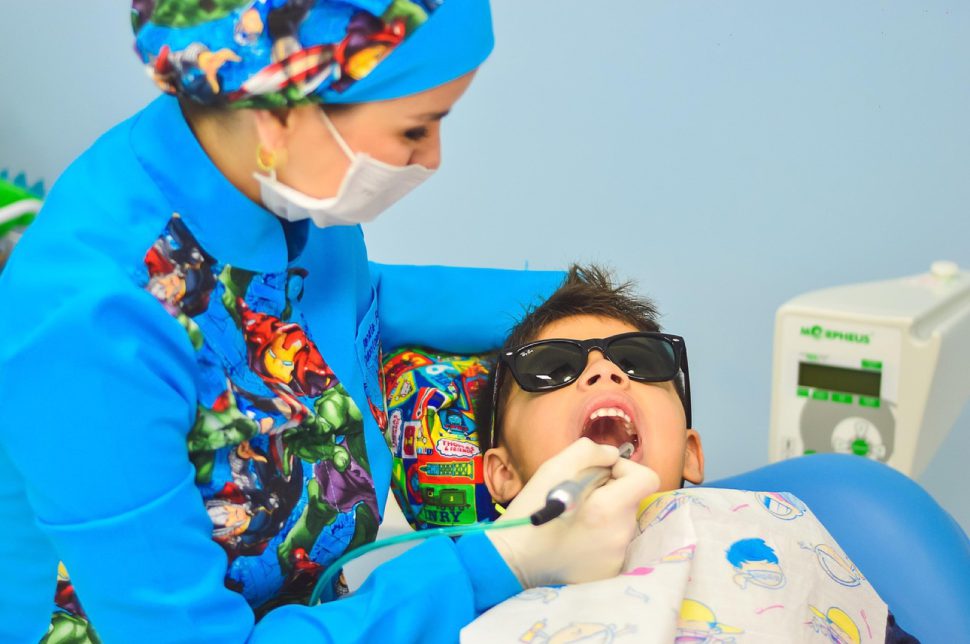
A good pediatric dentist can make the difference between a child who dreads checkups and one who walks in calmly. Here is what the specialty actually involves, what to ask before you book, and how to think about special needs and sedation.
What makes a pediatric dentist different
Any licensed general dentist can see children, and many families in South Florida take their kids to the same family dentist they use. A pediatric dentist is different in two ways.
- Extra training. According to the American Academy of Pediatric Dentistry (AAPD), a pediatric dentist completes two to three years of specialty training after dental school. That training covers areas such as child behavior guidance, sedation, treating baby teeth and growing mouths, and hospital-based dental care.
- A children-only practice. The AAPD describes pediatric dentists as “the pediatricians of dentistry.” They limit their practice to infants, children and teens, including children with special health needs.
Some pediatric dentists also go on to become board-certified by the American Board of Pediatric Dentistry. Board certification is voluntary, so it is worth asking about but is not the only sign of a good fit.
When to start looking
The AAPD recommends a child’s first dental visit when the first tooth appears, or no later than the first birthday. That early visit is usually short. The dentist looks at the teeth and gums, checks for early decay and talks with you about brushing, fluoride, bottles, sippy cups and snacks.
If your child is already past that age and has not been seen, it is not too late. Book a visit now rather than waiting for a toothache.
Questions to ask before you book
A phone call or first visit is a fair time to ask practical questions. Useful ones include:
- Training: Is the dentist a pediatric dentist (specialist) or a general dentist who sees children?
- Languages: Does anyone on the team speak Spanish, Haitian Creole or another language your family uses at home? Your child may be comfortable in English while a grandparent who brings them is not.
- Insurance: Does the office accept your child’s plan, including Florida Medicaid or Florida KidCare dental plans if that is what you have? Ask the office directly, since networks change.
- Parents in the room: Can you stay with your child during the exam and treatment? Offices handle this differently.
- Emergencies: What should you do if your child knocks out or breaks a tooth after hours or on a weekend?
- Behavior guidance: How does the team help an anxious or very young child get through a visit?
- Location and hours: Is the office reasonably close to home or school, and are there after-school appointments? In Miami-Dade, Broward and Palm Beach traffic, a long drive can make it hard to keep regular checkups.
Checking a license
Every dentist practicing in Florida must hold an active Florida license. You can confirm a dentist’s license status, and see whether there are public disciplinary actions, through the Florida Board of Dentistry license lookup.
Children with special health care needs
Pediatric dentists are trained to care for children with special health care needs, such as autism, developmental delays, cerebral palsy, heart conditions, bleeding disorders or other medical conditions that affect dental care. If this describes your child, ask more specific questions:
- Does the dentist regularly treat children with your child’s condition?
- Can you schedule a quieter time of day, a longer appointment or a short “get to know the office” visit first?
- Is the office physically accessible for a wheelchair or other equipment?
- Will the dentist coordinate with your child’s pediatrician or specialists when needed?
- Does the dentist have hospital privileges in case treatment needs to be done in a hospital setting?
Bring a list of your child’s medications, allergies and diagnoses to the first visit, along with anything that helps them stay calm.
Asking about sedation and anesthesia
Most children get dental care with only local numbing and a patient, child-friendly team. Some children, especially very young children who need a lot of treatment or children with certain special needs, may be offered sedation or general anesthesia. This is a decision to make with your dentist, and you are entitled to clear answers first.
The American Dental Association suggests parents ask questions such as:
- Who will review my child’s medical history, allergies and medications before the procedure?
- What level of sedation is planned: minimal, moderate, deep or general anesthesia?
- What training and experience does the person giving the sedation or anesthesia have?
- Does the dentist hold the permits the state dental board requires for that level of sedation?
- How will my child be monitored before, during and after the procedure, and by how many trained people?
- Are emergency medicines and equipment immediately available, and is there a written emergency plan?
- How long should my child go without food or drink beforehand?
- What instructions and emergency contact information will I get for the hours after we go home?
If the answers do not reassure you, it is reasonable to get a second opinion from another pediatric dentist before agreeing to treatment.
Warning signs to act on right away
Do not wait for a routine appointment if your child has a toothache with facial swelling, a fever with mouth pain, or a knocked-out permanent tooth. Call the dentist right away. If your child has swelling that affects breathing or swallowing, heavy bleeding that will not stop, or an injury to the jaw or face, call 911 or go to the nearest emergency room.
Finding a pediatric dentist near you
Start with a short list of two or three offices, call each with your questions, and pay attention to how the staff treat you on the phone. Your child’s comfort and your trust in the team matter as much as the location.
The AAPD also has a find a pediatric dentist tool for its members. If cost is a concern, you can also browse dental clinics in the directory and ask each one whether it sees children and offers reduced fees.
To compare pediatric dentists in Miami-Dade, Broward and Palm Beach counties, browse our pediatric dentistry directory, or narrow it down by city, such as pediatric dentists in Miami.
Not sure when to start? Read when your child should first see a dentist.
Sources
- American Academy of Pediatric Dentistry: Frequently asked questions for parents
- American Academy of Pediatric Dentistry: Residency programs
- American Academy of Pediatric Dentistry: Find a pediatric dentist
- ADA MouthHealthy: Anesthesia and sedation for your child
- Florida Board of Dentistry: How do I check to see if someone is licensed?