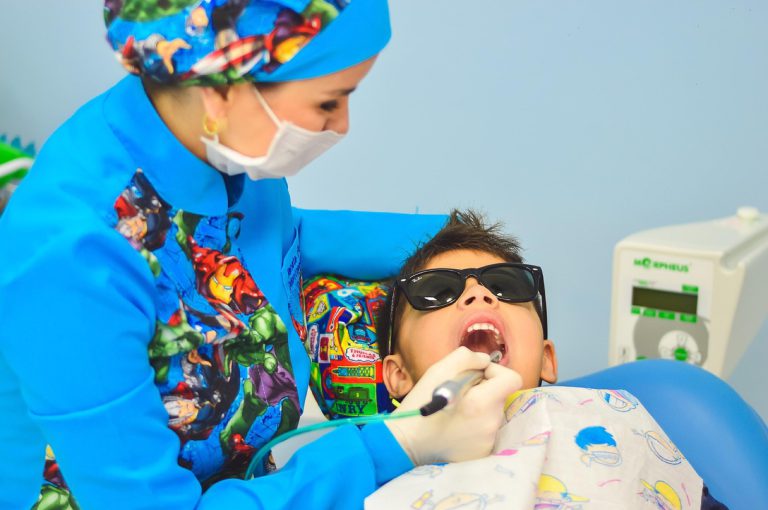
Fluoride toothpaste, fluoride varnish and dental sealants are the main tools dentists use to help prevent cavities in children. Since Florida stopped adding fluoride to public drinking water in 2025, it’s worth knowing how each one works and what to ask your child’s dentist.
Florida’s change to water fluoridation
For decades, many Florida water systems adjusted the fluoride level in tap water to help prevent tooth decay. That changed in 2025.
- The law: Senate Bill 700, a broad agriculture bill, was signed by Gov. Ron DeSantis on May 15, 2025 and became Chapter 2025-22, Laws of Florida. It took effect July 1, 2025.
- What it does: The law doesn’t name fluoride. It prohibits adding anything to a public water system that doesn’t meet the definition of a “water quality additive,” which Florida law defines as a substance used to meet drinking water standards, prevent or remove contaminants, or improve water quality. Fluoride added for dental health doesn’t fit that definition, so utilities stopped adding it.
- In South Florida: Miami-Dade Water and Sewer stopped adding fluoride on May 29, 2025, shortly before the state law took effect.
Fluoride occurs naturally in water at varying levels, so tap water isn’t completely fluoride-free, but utilities no longer raise it to the level used for cavity prevention. Your water utility’s annual water quality report lists the fluoride level. If you use a private well, ask your county health department about testing.
Different views
Florida’s Surgeon General issued guidance in 2024 recommending against community water fluoridation, citing concerns about possible health risks. The American Dental Association and the CDC’s published guidance support community water fluoridation at the recommended level as a safe way to reduce tooth decay. Whatever your view, the practical result is the same: children in Florida now rely more on toothpaste, professional fluoride treatments and sealants for fluoride protection.
Fluoride toothpaste: how much by age
Fluoride toothpaste is the most commonly used fluoride product in the U.S. The ADA and the American Academy of Pediatric Dentistry (AAPD) recommend:
- Under age 3: a smear of fluoride toothpaste, no bigger than a grain of rice, twice a day from the time the first tooth appears.
- Ages 3 to 6: a pea-sized amount, twice a day.
- All ages: an adult should brush or help brush, and children should spit out the toothpaste rather than swallow it.
The CDC suggests talking with your child’s doctor or dentist before using fluoride toothpaste for children younger than 2. Using the right amount matters: too much fluoride swallowed while teeth are forming can cause dental fluorosis, a change in the appearance of tooth enamel.
Fluoride varnish
Fluoride varnish is a high-concentration fluoride coating painted onto the teeth by a dentist or other health care professional. It has to be reapplied at regular intervals to keep working. According to the CDC, fluoride varnish can prevent about one-third of cavities in baby teeth.
The CDC suggests asking your dentist or doctor about fluoride varnish as soon as your child’s first tooth appears. Ask how often your child should get it; the answer depends on your child’s cavity risk.
Dental sealants
Sealants are thin coatings painted onto the chewing surfaces of the back teeth, filling in the grooves where food and bacteria get trapped. According to the CDC, sealants on the back teeth prevent 80% of cavities in those teeth.
- Sealants are most often placed on the permanent back teeth (molars) after they come in. Your child’s dentist will tell you which teeth would benefit and when.
- Sealants don’t replace brushing or fluoride; they add protection to the grooves on the chewing surfaces.
- Ask the dentist to check existing sealants at regular visits.
Florida Medicaid covers sealants on permanent molars for children. County health departments in South Florida also run school-based sealant programs. For example, the Florida Department of Health in Palm Beach provides sealants to second and fifth graders at participating Title 1 schools, and the Broward health department runs a school-based sealant program with parental consent. Watch for consent forms from your child’s school.
What about fluoride supplements?
Fluoride drops and tablets are prescription products. On October 31, 2025, the U.S. Food and Drug Administration announced actions to restrict unapproved ingestible fluoride products for children under 3 and for older children at low or moderate risk of tooth decay. The ADA and AAPD responded that supplements remain important for some children and that the prescribing clinician’s judgment should guide their use. If you’re wondering whether your child needs extra fluoride now that tap water isn’t fluoridated, ask your child’s dentist or pediatrician; don’t give supplements without a prescription.
Everyday habits that prevent cavities
- Brush twice a day with fluoride toothpaste, and start cleaning between teeth once they touch.
- Limit sugary drinks and snacks, and offer water between meals.
- Don’t put a baby or toddler to bed with a bottle of anything but water.
- Schedule regular checkups. The AAPD recommends a checkup every six months for most children.
Paying for preventive care
Preventive services such as exams, cleanings, fluoride and sealants are generally covered for children under Florida Medicaid, and Florida KidCare includes dental coverage for eligible children. If your child is uninsured, county health departments and community health centers offer children’s dental care, some with sliding fees based on income.
Find a dentist for your child
Browse pediatric dentists or general dentists in Miami-Dade, Broward and Palm Beach, and ask the office about fluoride varnish and sealants when you book. You can also search by city on our Find a Dentist page.
Sources
- Florida Senate: SB 700 (2025)
- Laws of Florida, Chapter 2025-22
- Florida Statutes s. 403.852 (definitions)
- Florida Statutes s. 403.859 (prohibited acts)
- North Bay Village: Fluoride removed from Miami-Dade County water supply
- ADA News: Florida second state to ban community water fluoridation
- CDC: About fluoride
- CDC: Oral health tips for children
- ADA MouthHealthy: Healthy habits for babies and kids
- AAPD: Parent FAQ
- FDA: Action on unapproved ingestible fluoride products for children
- Florida Department of Health in Palm Beach: School-based dental programs
- Florida Department of Health in Broward: Dental services