Not everyone needs their wisdom teeth removed, but many people do, and the timing matters. Here is why wisdom teeth cause problems, when to have them checked, what the procedure involves and how to recover safely.
What wisdom teeth are
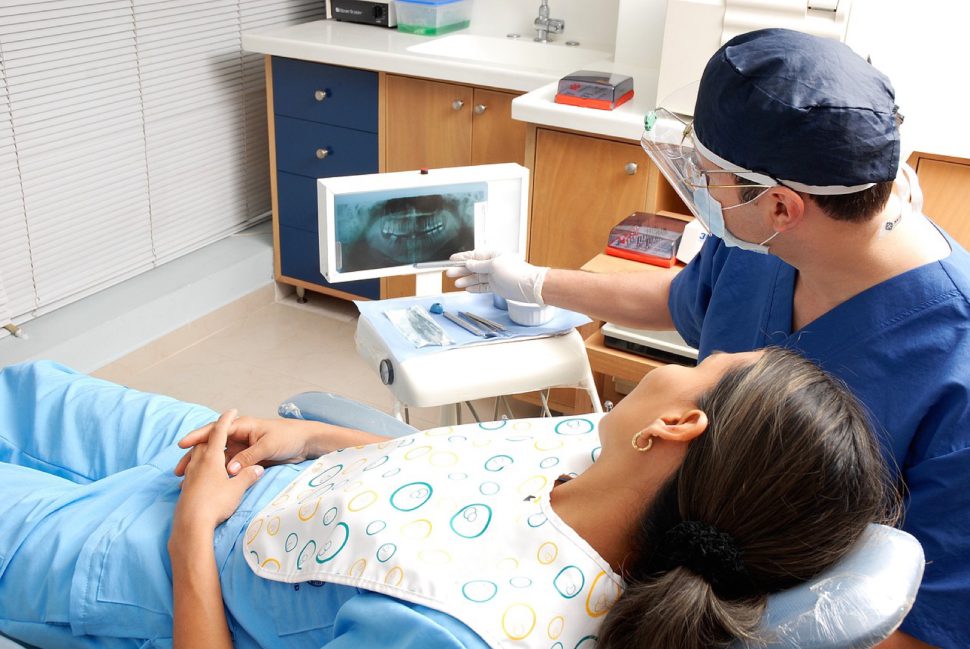
Wisdom teeth are the third molars, the last teeth at the very back of the mouth. According to the American Association of Oral and Maxillofacial Surgeons (AAOMS), they usually come in between the ages of 17 and 25. Some people have all four, some have fewer, and some have none. Dental X-rays often show them years before they break through the gums.
Why they cause problems
By the time wisdom teeth arrive, there often is not enough room for them. A tooth that cannot come in fully or properly is called impacted. It may stay trapped in the jaw, come in at an angle, or only partly break through the gum.
The AAOMS says impacted or poorly positioned wisdom teeth can:
- Damage the neighboring molars
- Become infected, especially when partly erupted and food and bacteria get trapped under the gum
- Develop cavities or gum disease, because they are so hard to reach with a toothbrush and floss
- Form cysts or, less commonly, tumors around the tooth, which can damage nearby teeth and bone
Problems do not always cause pain. A wisdom tooth can feel fine while gum disease or decay develops around it, which is why X-rays and regular checkups matter.
When to have them evaluated
Because wisdom teeth develop in the late teens and early twenties, the teen years are a good time to ask your dentist to look at them on X-rays. Your general dentist can track their development and refer you to an oral and maxillofacial surgeon if needed. Many patients see the surgeon after a dentist’s referral, but you can ask your dentist about this at any checkup.
AAOMS materials note that young adults generally have less pain and shorter healing after wisdom tooth removal than older patients, and the AAOMS says removal is often recommended before the teeth erupt. That does not mean every wisdom tooth should come out early. It is a decision to make with your dentist or surgeon based on your X-rays.
When removal is generally recommended
The AAOMS says removal is generally recommended when a wisdom tooth shows signs of:
- Pain
- Infection
- Gum (periodontal) disease
- Cavities
- Cysts, tumors or other disease around the tooth
- Damage to neighboring teeth
- Poor oral hygiene around the tooth because it is too hard to keep clean
When keeping them may be fine
Healthy wisdom teeth that have come in fully, are in a good position, bite properly and can be cleaned may not need to come out. The AAOMS says they still need regular professional cleanings, annual checkups and periodic X-rays, because problems can develop later. Talk with your dentist or surgeon about whether removal or monitoring makes sense for you.
The procedure
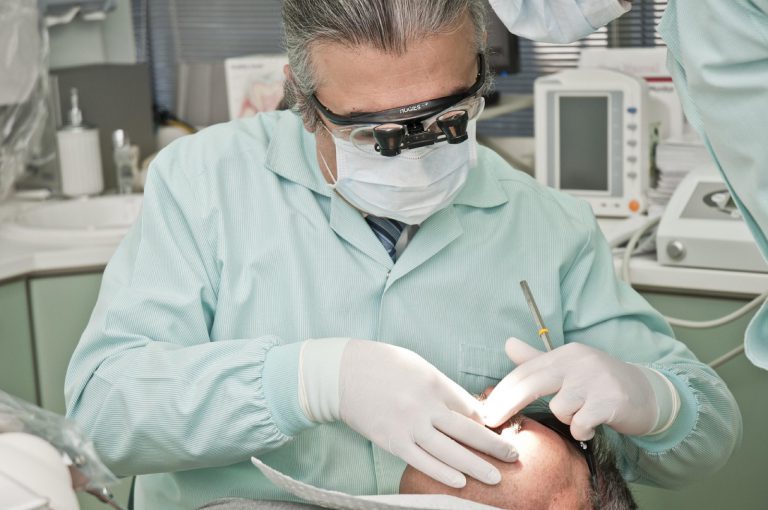
Wisdom tooth removal is usually done in an oral surgeon’s office as an outpatient procedure, meaning you go home the same day. Oral and maxillofacial surgeons complete at least four years of hospital-based surgical residency after dental school, including training in anesthesia alongside medical residents, according to the AAOMS. Some general dentists also remove wisdom teeth, particularly ones that have come in fully.
A typical visit includes:
- Review. The surgeon reviews your X-rays or 3D scan, your health history and your medications.
- Anesthesia. Options range from local anesthetic (numbing only) to sedation to general anesthesia. The AAOMS says oral surgeons are trained to provide all of these. The right choice depends on the difficulty of the surgery, your health and your comfort level. Ask what level is planned and how you will be monitored.
- Removal. For an impacted tooth, the surgeon may open the gum, remove some bone or divide the tooth into pieces to take it out more easily.
- Closing. Stitches may be placed, and gauze is put over the area to control bleeding.
If you will have sedation or general anesthesia, you will need an adult to drive you home and should follow the office’s instructions about not eating or drinking beforehand. The AAOMS also advises avoiding smoking, alcohol and marijuana before surgery.
Recovery: what to expect
The AAOMS says many people return to normal activities the day after surgery and to regular life within about a week, although full healing of the sockets can take up to six weeks. To protect the blood clot that forms in each socket:
- Bleeding: Some oozing is normal. Bite gently on clean gauze or a moistened tea bag.
- Swelling and pain: Use an ice pack on the outside of the cheek and take pain medicine as your surgeon directs.
- Rest: Skip exercise and strenuous activity for the first several days.
- Food: Eat soft foods such as soup, yogurt, smoothies, mashed potatoes and eggs for the first few days. Avoid hot, spicy, hard or crunchy foods.
- No straws: Suction can dislodge the clot. Drink from a cup.
- No smoking or vaping for at least a few days, and avoid alcohol while healing.
- Cleaning: Brush carefully for the first 24 to 48 hours, then rinse gently with warm salt water (half a teaspoon of salt in a glass of warm water) several times a day.
Warning signs after surgery
Call your oral surgeon right away if you have:
- Bleeding that is heavy or does not slow down
- Pain that is severe, getting worse, or starts a few days after surgery
- Pain spreading toward your ear, eye, temple or neck on the same side, a bad taste or smell, or bone visible in the socket. The AAOMS lists these as signs of dry socket.
- Swelling that keeps increasing after the first few days
- Fever, or any symptom that worries you
If you have trouble breathing or swallowing, swelling that is spreading quickly, or bleeding you cannot control, call 911 or go to the nearest emergency room.
Find an oral surgeon in South Florida
Ask your dentist whether your wisdom teeth need attention at your next checkup. If you need a surgeon, browse our oral surgery directory for Miami-Dade, Broward and Palm Beach counties, or search by city, such as oral surgeons in Miami-Dade. For reduced-price care, the clinics at Nova Southeastern University’s College of Dental Medicine list oral and maxillofacial surgery among their services.