An oral cancer check is a quick, painless part of a good dental exam, and it is one of the main ways mouth and throat cancers are found early. Here is what the exam involves, who is at higher risk, and which warning signs mean you should not wait for your next routine visit.
What oral cancer is
Oral cancer is a general term for cancers of the mouth and the back of the throat. According to the National Institute of Dental and Craniofacial Research (NIDCR), it can develop on the tongue, the lining of the mouth and the gums, and at the back of the throat, including the base of the tongue. The lips can also be affected. It is most common in people over 40, but it can affect younger adults too.
What an oral cancer screening involves
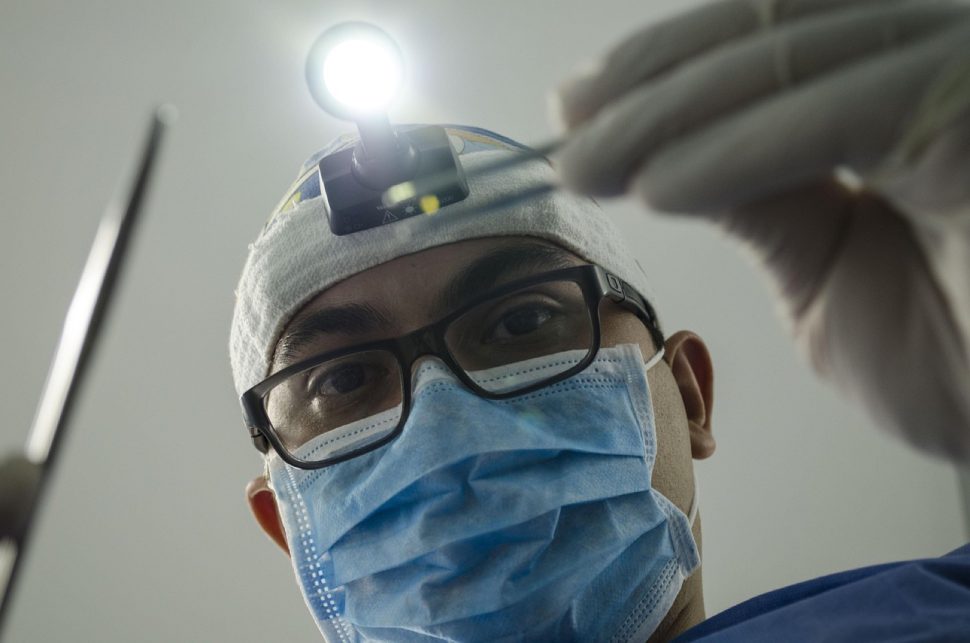
In most cases, a “screening” is simply a careful look and feel by your dentist or dental hygienist during a regular checkup. NIDCR describes the exam as painless and taking only a few minutes. It usually includes:
- Your history. Questions about your health, medications, tobacco and alcohol use, and any changes you have noticed in your mouth.
- Outside the mouth. Looking at your face, lips and neck, and feeling your jaw and neck for lumps or swelling.
- Inside the mouth. Checking your lips, cheeks, gums, the roof and floor of your mouth, and all sides of your tongue. The dentist also looks at the back of your throat.
In September 2026 the American Dental Association (ADA) published a guideline that reaffirmed this approach: a thorough exam inside and outside the mouth, plus an updated health history, for all adults, whether at a new patient visit, a routine checkup or an emergency appointment.
What about special lights, dyes and rinses?
Some offices offer extra tests, such as special lights, dyes or brush tests. The ADA guideline generally recommends against using these routinely to screen people who have no symptoms, and says they should not replace a biopsy or a referral when one is needed. The American Cancer Society (ACS) also notes there is no simple blood test or other screening test that finds these cancers early. If an office offers an add-on test, it is reasonable to ask what it adds and what it costs.
If your dentist finds something
Many spots and sores in the mouth have causes other than cancer. If your dentist sees something that needs a closer look, they may ask you to come back in about 10 to 14 days to see whether it has healed. The ADA guideline recommends a prompt biopsy or referral if a spot has not resolved by then. A biopsy, where a small piece of tissue is removed and examined, is the only way to confirm a diagnosis. Your dentist may refer you to an oral surgeon or another specialist for this.
Who should get one
The short answer from the ADA is every adult, at every dental exam. The ACS points out that doctors in the U.S. do not recommend a separate, routine screening program for oral cancer. Instead, many pre-cancers and cancers are found during regular exams by a dentist, doctor or hygienist. That is one more reason to keep up with checkups, especially if you have any of the risk factors below.
Risk factors
NIDCR, the ACS and the CDC list several factors that raise your risk:
- Tobacco. Smoking cigarettes, cigars or pipes, and using chewing tobacco or snuff.
- Alcohol. Heavy drinking raises risk, and using tobacco and alcohol together raises it even further.
- HPV. The human papillomavirus, especially type 16, is linked to cancers at the back of the throat. The CDC states that HPV is thought to cause 60% to 70% of oropharyngeal cancers in the U.S.
- Sun exposure. NIDCR notes that lip cancer can be caused by sun exposure, which is worth remembering in South Florida, where people spend a lot of time outdoors year-round.
- Age and other factors. Risk rises with age. A diet low in fruits and vegetables and certain inherited conditions also play a role.
Lowering your risk
- Quit tobacco. Tobacco Free Florida offers free help to Florida residents, including a Quitline at 1-877-U-CAN-NOW (1-877-822-6669) with counseling in English and Spanish.
- Limit alcohol.
- Ask about the HPV vaccine. The CDC notes that the vaccine protects against the HPV types that can cause these cancers. It works best before exposure to HPV, which is why it is recommended for preteens. Ask your doctor or your child’s doctor whether it is right for you, since recommendations depend on age.
- Protect your lips from the sun, for example with a hat and shade.
Warning signs that need a prompt check
Do not wait for your next cleaning if you notice any of these. NIDCR advises seeing a dentist or doctor if a symptom lasts more than two weeks:
- A sore on the lip or in the mouth that does not heal
- A lump, thickening or rough spot on the lips, gums, cheek or tongue
- A white or red patch inside the mouth
- Pain, tenderness, bleeding or numbness in the mouth or lips that does not go away
- A sore throat or hoarseness that lasts
- Trouble chewing, swallowing or speaking, or stiffness in the jaw or tongue
- A lump in the neck
- Ear pain
- Dentures that no longer fit well
Many of these signs have other, less serious causes. The point is to have them checked so the cause can be found and treated.
Check your own mouth
The ACS says some dentists and doctors recommend looking at your mouth in a mirror once a month for changes such as white patches, sores or lumps, especially if you use or have used tobacco or drink alcohol regularly. Use good light, pull your lips and cheeks out, and look at the top, sides and underside of your tongue.
Cost and coverage
A visual oral cancer exam is normally part of a routine dental exam rather than a separate service. If you need a biopsy or a specialist visit, check with both your dental and medical plans about what they cover. If you have no insurance, community health centers and dental school clinics in South Florida can be lower-cost places to get a checkup.
Find a dentist for your next checkup
If it has been a while since your last exam, or you have a sore or patch that has lasted more than two weeks, make an appointment. Search for a general dentist near you, or an oral surgeon if your dentist has referred you for a biopsy. You can also use our dentist search to filter by city. SoFlo Dentists is a directory and does not give dental or medical advice.
Sources
- NIDCR: Oral cancer
- ADA News: First ADA living guideline reaffirms dental exams crucial to detecting oral cancer early (September 2026)
- ADA: Oral cancer guideline
- American Cancer Society: Can oral cavity and oropharyngeal cancers be found early?
- American Cancer Society: Signs and symptoms of oral cavity and oropharyngeal cancer
- CDC: HPV and oropharyngeal cancer
- Tobacco Free Florida: Quit programs